Trusted by 50,000 Customers

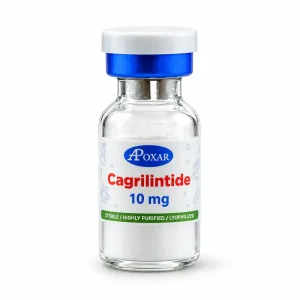
Cagrilintide is a long-acting analogue of amylin, a hormone that helps regulate glucose and appetite. It is being investigated for its potential to treat obesity and type 2 diabetes.
Showing all 7 results
-
$190
-
$185
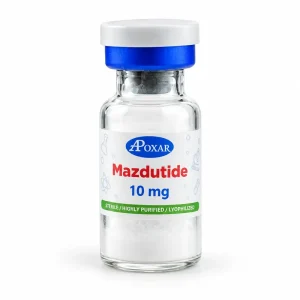
Mazdutide is a pharmaceutical compound developed as a dual agonist of the GLP-1 and glucagon receptors, primarily used for weight management in adults with obesity or overweight.
-
$65
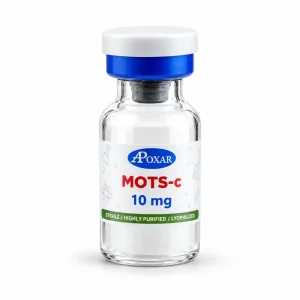
MOTS-c is a mitochondrial-derived oligopeptide that has gained considerable research interest thanks to its potential impact on metabolic well-being and longevity.
It plays a crucial role in metabolic regulation and has been linked to various beneficial effects such as:
Enhancing Insulin Sensitivity: It increases insulin sensitivity, thereby helping in glucose regulation.
Obesity and Metabolic Disorder Management: MOTS-c has shown potential in regulating metabolic pathways, making it a candidate for treating obesity and related metabolic disorders.
Exercise Endurance: It appears to promote the utilization of fatty acids for energy, which could enhance physical performance and endurance. -
$75
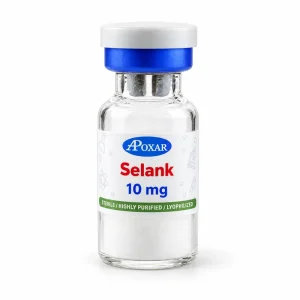
Selank is a synthetic peptide with anxiolytic and nootropic properties that may help reduce anxiety, boost brain function, and manage stress.
-
$82
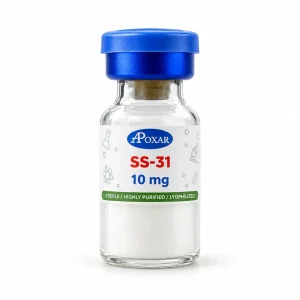
SS-31 delivers powerful mitochondrial protection and cellular energy benefits by targeting the inner mitochondrial membrane and reducing oxidative damage. It helps improve energy production, reduce inflammation at the cellular level, and support overall mitochondrial function, which many users report as increased stamina, faster recovery from physical or metabolic stress, better exercise tolerance, and potential neuroprotective effects. It is especially valued for combating age-related mitochondrial decline and supporting heart and kidney tissue health.
For the protocol, reconstitute the 10mg vial by adding 2 to 5 ml of bacteriostatic water to reach a comfortable concentration. The typical dose ranges from 250 mcg to 1 mg per day, most commonly around 500 mcg. Inject subcutaneously once daily. Cycles are often run for 4 to 8 weeks followed by a break of similar length, though some use it longer-term at lower maintenance doses with periodic breaks. -
$90
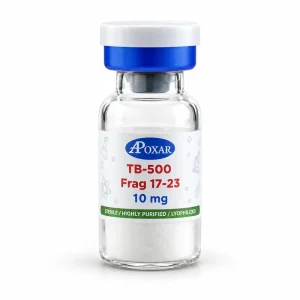
TB500 Frag 17-23 is a truncated peptide fragment derived from thymosin beta-4, specifically targeting the region responsible for its anti-inflammatory and tissue-repairing effects. This fragment is believed to promote wound healing, reduce inflammation, and enhance cellular regeneration, similar to the full-length thymosin beta-4 peptide, but with potentially fewer side effects.
-
$90
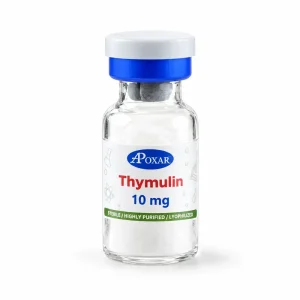
Thymulin is a nonapeptide hormone produced by the thymus gland that plays a crucial role in the immune system, particularly in the maturation and differentiation of T-cells. It also has anti-inflammatory properties and may influence neuroendocrine functions.
End of content
End of content